
Plastic Paper & Packaging
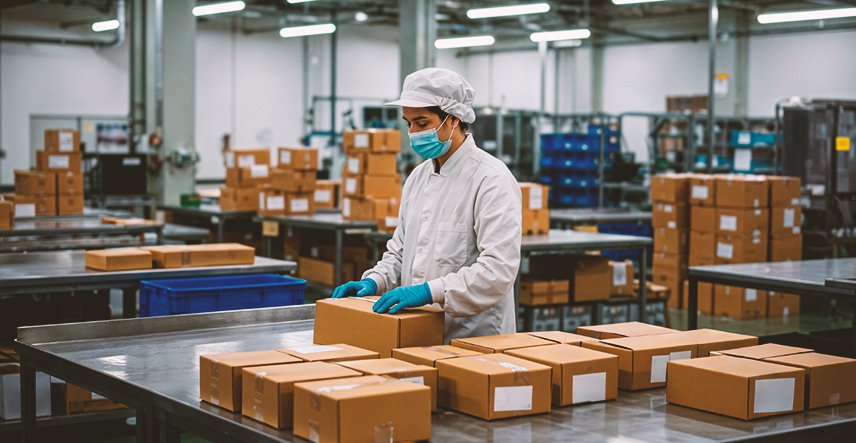
Sustainable Packaging Begins with Responsible Water Use Treat, Recover, and Reuse for a Greener Future.
Efficient Effluent Treatment for Plastic, Paper & Packaging Industries
Plastic, Paper & Packaging industries generate wastewater from manufacturing, recycling, washing, pulping, printing, coating, lamination, adhesive application, and equipment cleaning. Depending on the process, wastewater may contain plastic particles, paper fibres, pulp, inks, dyes, adhesives, suspended solids, Oil & Grease, chemicals, colour, and organic pollutants.
These contaminants cannot be effectively managed through a standard treatment approach. The ETP must be designed according to the actual manufacturing process and wastewater characteristics.
At Nitya Ensafe, we provide engineered Effluent Treatment Plant (ETP) solutions focused on reliable treatment, water recovery, lower operating costs, and long-term environmental compliance.
Why Plastic, Paper & Packaging Industries Need an ETP
Regulatory Compliance
Proper treatment helps industries meet applicable SPCB/CPCB discharge requirements and maintain environmental compliance.
Treatment of Process-Specific Pollutants
ETP removes suspended solids, fibres, inks, colour, adhesives, Oil & Grease, and other contaminants generated during manufacturing.
Reduction of BOD & COD
Effective physico-chemical and biological treatment reduces organic pollution and improves final treated water quality.
Water Recovery & Reuse
Treated wastewater can be reused for suitable process and utility applications, depending on the required water quality.
Reduced Freshwater Consumption
Recycling treated water reduces dependence on freshwater sources and supports sustainable manufacturing.
Lower Operating Costs
Proper process selection reduces unnecessary chemical consumption, sludge generation, energy use, and maintenance requirements.
Key Wastewater Challenges in Plastic, Paper & Packaging Industries
1. High Fibre, Pulp & Suspended Solid Load
Paper and packaging manufacturing wastewater can contain significant quantities of:
- Paper fibres
- Pulp residues
- Cellulosic material
- Fine suspended solids
- Coating residues
Plastic processing and recycling wastewater may also contain plastic fines, dirt, labels, and other suspended particles.
If these solids are not removed effectively, they can cause:
- Pump and pipeline choking.
- Increased sludge generation.
- Filter blockage.
- Higher downstream treatment load.
- Reduced overall ETP efficiency.
Effective screening and solid separation are therefore critical.
2. Printing Ink, Colour & Pigment Contamination
Printing and packaging operations may generate wastewater containing:
- Printing inks
- Dyes
- Pigments
- Colour compounds
- Ink wash water
These contaminants can create highly coloured wastewater that may be difficult to treat using conventional biological treatment alone.
Proper physico-chemical treatment and colour removal should be selected based on the actual wastewater characteristics.
3. Adhesives, Coatings & Lamination Chemicals
Packaging industries use various adhesives, coatings, binders, and lamination chemicals. Wastewater containing these materials may:
- Increase COD.
- Create sticky deposits.
- Affect solid separation.
- Cause filter fouling.
- Disturb downstream treatment.
Proper segregation and pre-treatment help prevent these contaminants from affecting the complete ETP.
4. High COD & Organic Pollution
Paper processing, printing, adhesives, coatings, recycling, and cleaning operations may generate wastewater with elevated Chemical Oxygen Demand (COD).
High COD can:
- Increase the treatment load.
- Increase aeration and energy requirements.
- Affect biological treatment stability.
- Make it difficult to achieve consistent outlet quality.
Treatment should therefore be designed according to the biodegradable and nonbiodegradable fraction of the wastewater.
5. Plastic Washing & Recycling Wastewater
Plastic recycling facilities generate wastewater during washing and cleaning of recovered plastic material. This wastewater may contain:
- Dirt and soil
- Plastic fines
- Labels and fibres
- Oil & Grease
- Organic contaminants
- Detergents and cleaning chemicals
Without proper pre-treatment, these contaminants can increase ETP load and create frequent maintenance problems.
6. Oil & Grease Contamination
Plastic recycling, machinery cleaning, printing, and other manufacturing operations may introduce Oil & Grease into wastewater.
Excess Oil & Grease can:
- Form floating layers and scum.
- Reduce oxygen transfer.
- Affect biological treatment.
- Cause equipment and filter fouling.
Effective Oil & Grease separation is therefore important before downstream treatment.
7. Chemical Wastewater from Cleaning & Manufacturing
Equipment cleaning, printing, coating, and other manufacturing operations may generate wastewater containing:
- Detergents
- Cleaning chemicals
- Acids and alkalis
- Solvents, where applicable
- Process additives
Sudden discharge of concentrated chemical wastewater can disturb pH and biological treatment performance.
Proper segregation, equalization, and controlled treatment are essential.
8. Sludge Generation & Disposal
Treatment of fibres, inks, pigments, suspended solids, and chemicals can generate significant quantities of sludge.
Poorly optimized chemical treatment can result in:
- Excessive sludge generation.
- Increased dewatering requirements.
- Higher handling and disposal costs.
- Higher chemical consumption.
- Increased overall ETP operating cost.
Optimized chemical dosing and efficient sludge dewatering help control these costs.
9. Filter Choking & Frequent Maintenance
Fibres, plastic fines, sticky adhesives, and poorly separated solids can cause frequent blockage of filters and treatment equipment.
This results in:
- Frequent backwashing.
- Reduced filtration efficiency.
- Higher maintenance.
- Increased downtime.
- Poor treated water quality.
Proper pre-treatment is therefore as important as the final filtration system.
10. Water Recovery & Reuse Challenges
Plastic, Paper & Packaging industries may consume significant quantities of water for:
- Plastic washing
- Pulp and paper processing
- Equipment cleaning
- Printing operations
- Floor washing
- Utility applications
Simply installing an ETP does not guarantee successful water reuse. The treatment system should be designed according to the final reuse requirement, enabling maximum practical water recovery while maintaining suitable water quality.
11. Existing ETP Performance Issues
Existing plants may experience poor performance because of:
- Changes in production processes.
- Increased manufacturing capacity.
- Changes in chemicals or raw materials.
- Outdated treatment technology.
- Improper chemical dosing.
- Poor filtration.
- Increased wastewater pollution load.
Upgrading the existing ETP according to current manufacturing requirements can often improve treatment performance without replacing the entire system.
12. High Operating & Maintenance Cost
A poorly designed ETP can result in:
- High chemical consumption.
- Excessive sludge generation.
- High electricity consumption.
- Frequent filter cleaning.
- Continuous operator dependency.
- Frequent equipment maintenance.
A properly engineered treatment system focuses not only on achieving outlet parameters but also on reducing the lifecycle cost of the ETP.
Our ETP Solution
At Nitya Ensafe, we design ETPs according to the specific wastewater characteristics of Plastic, Paper & Packaging manufacturing processes rather than applying a standard treatment configuration.
Key Features
- Efficient fibre, pulp, plastic fines, and suspended solids removal.
- Colour, ink, and pigment treatment.
- Adhesive and coating wastewater management.
- Effective Oil & Grease removal.
- Advanced physico-chemical and biological treatment.
- Efficient sludge management and dewatering.
- Automated operation with reduced manpower dependency.
- Low operating and maintenance costs.
- New ETP as well as existing ETP upgradation.
- Turnkey execution with AMC & long-term O&M support.
Why Choose Nitya Ensafe?
- Process-Specific Engineering – Treatment systems designed according to actual manufacturing and wastewater characteristics.
- Industry-Specific Solutions – Solutions for plastic processing & recycling, paper processing, printing, flexible packaging, corrugated packaging, coating, and allied industries.
- Existing ETP Upgradation – Identification and correction of performance limitations in existing treatment plants.
- Water Recovery Focus – Treatment designed considering the final water reuse requirement.
- Lower Lifecycle Cost – Focus on reducing chemicals, sludge, energy, manpower, and maintenance.
- End-to-End Support – Complete support from wastewater assessment and design to installation, commissioning, compliance, AMC, and long-term O&M.
Sustainable Manufacturing Starts with Smart Wastewater Management
Plastic, Paper & Packaging wastewater cannot be treated effectively with a one-size-fits-all ETP. The right solution begins by understanding the actual source of fibres, plastic fines, inks, colour, adhesives, coatings, Oil & Grease, chemicals, COD, and suspended solids.
With a properly engineered ETP and water recovery strategy, Nitya Ensafe helps industries achieve reliable treatment performance, regulatory compliance, reduced operating costs, and sustainable water management.
Project Gallery
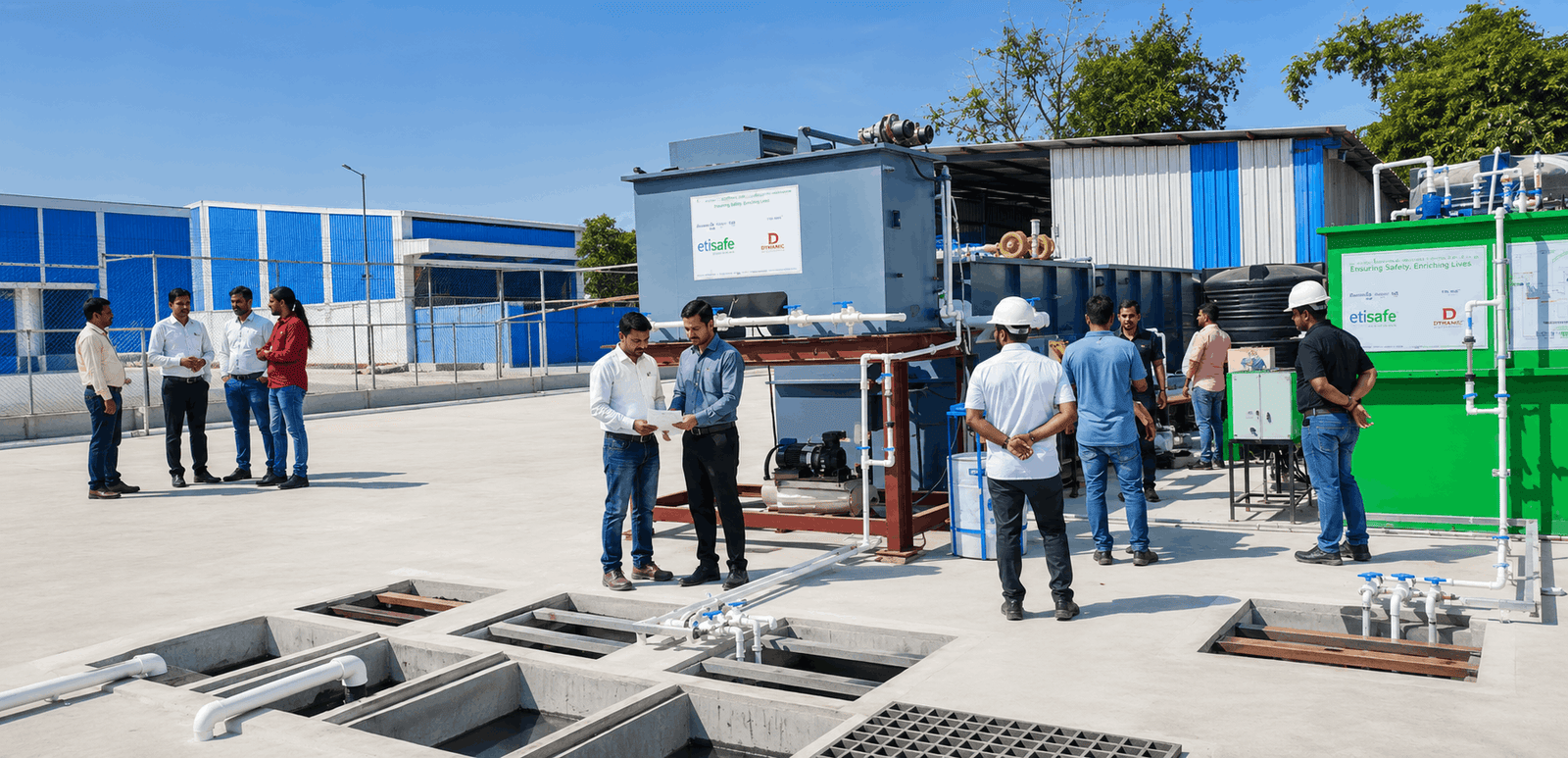
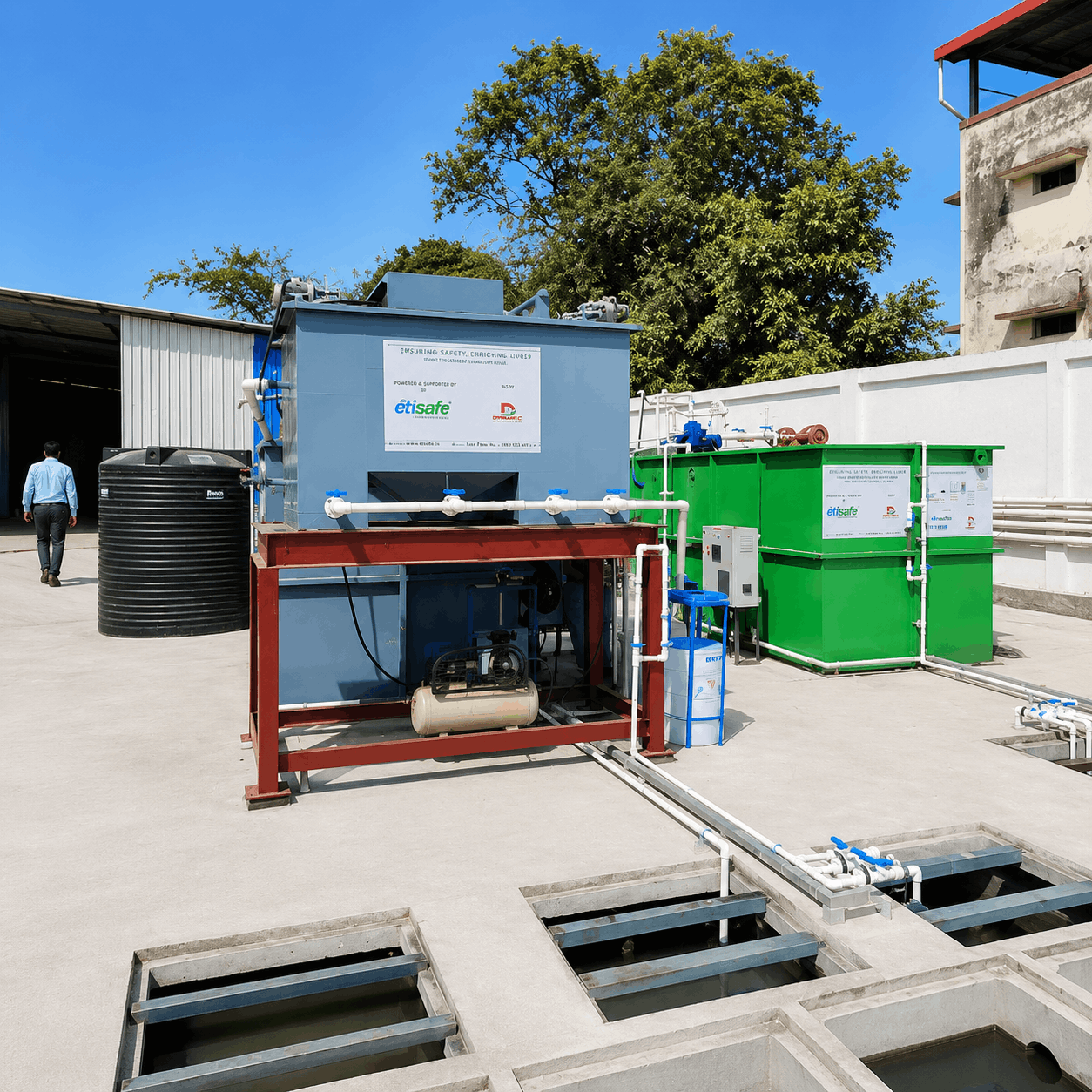
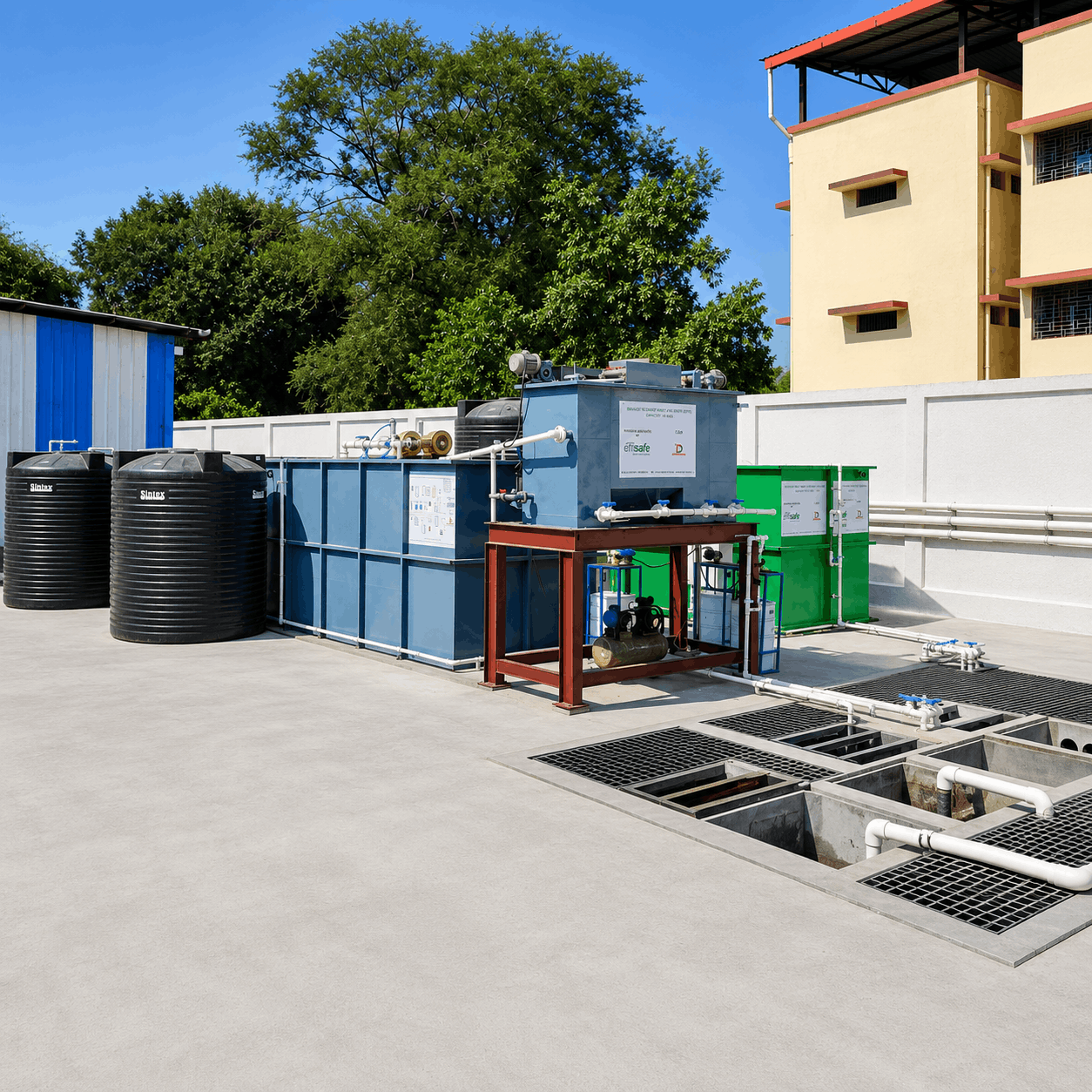
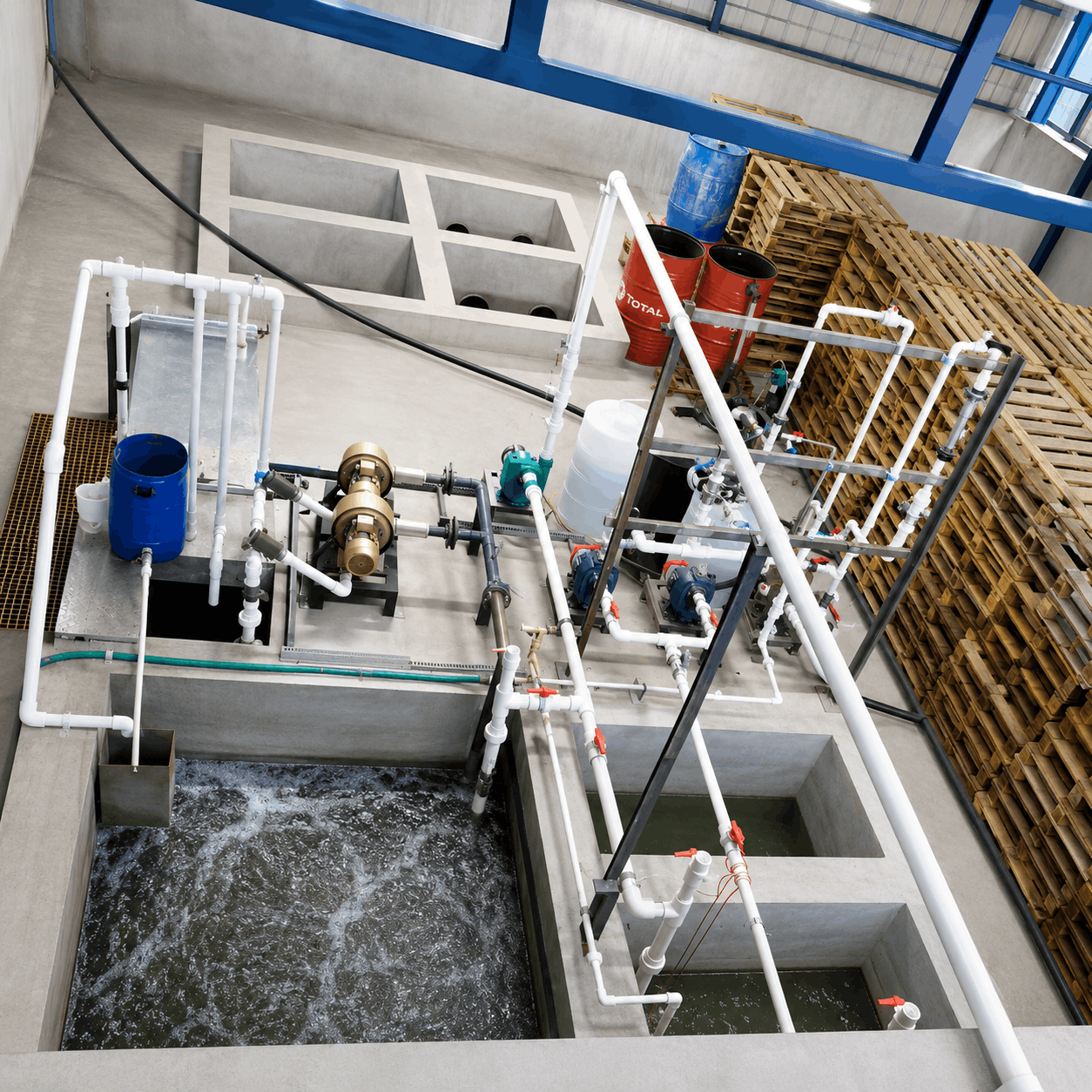
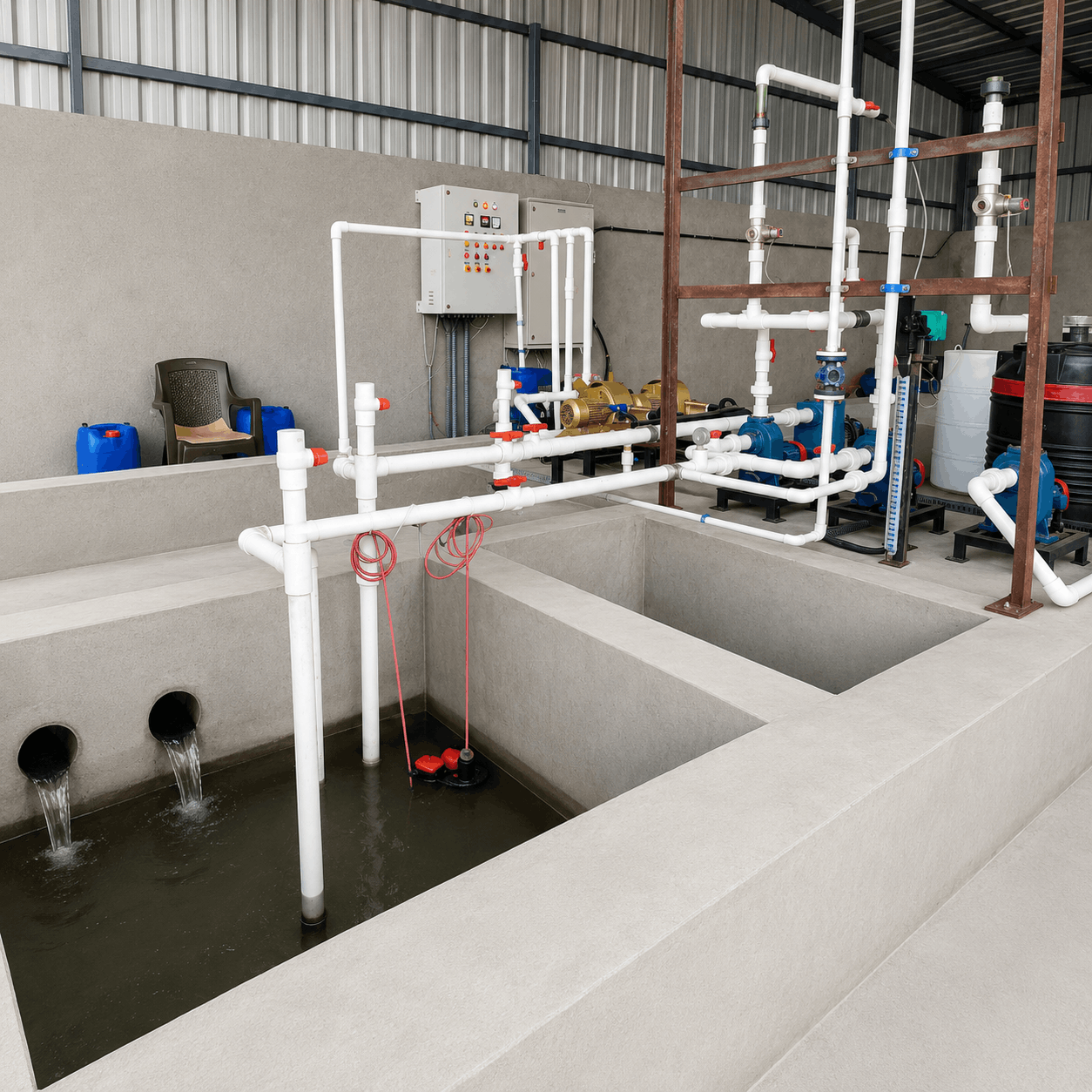

Sustainable Manufacturing Starts with Smart Wastewater Management.