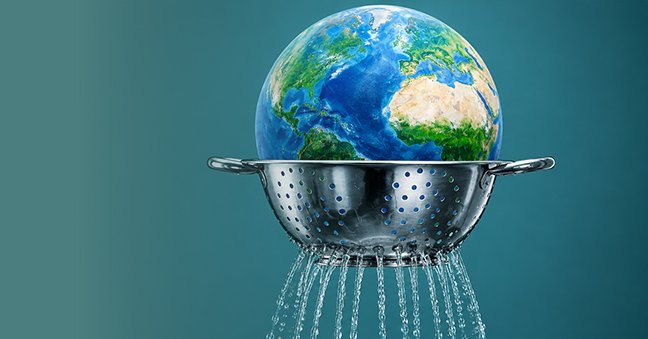
Textile Manufacturing

Don't Wait Until the Damage Is Irreversible Adopt Advanced Wastewater Treatment and Water Reuse Solutions.
Smart Wastewater Management for Textile Processing Industries
Textile industries are among the most water-intensive manufacturing sectors. Dyeing, printing, washing, finishing, and water-jet operations generate wastewater with complex characteristics, including colour, high COD, TDS, suspended solids, salts, dyes, chemicals, fibres, and sizing materials.
In addition, textile facilities with a significant workforce generate domestic sewage from toilets, washrooms, canteens, and staff facilities, requiring a separate STP where applicable.
At Nitya Ensafe, we design integrated ETP + STP + Water Reuse Solutions based on the actual manufacturing process, wastewater characteristics, and reuse requirements of each textile facility.
Key Wastewater Challenges Faced by Textile Industries
1. High Colour from Dyeing & Printing
Dyeing and printing processes generate intensely coloured wastewater containing residual dyes and pigments. Improper colour removal can result in:
- Poor treated water quality.
- Difficulty in meeting discharge requirements.
- Reduced potential for treated water reuse.
- Higher chemical consumption during treatment.
The treatment process must therefore be selected according to the type and concentration of dyes present in the wastewater.
2. High TDS & Salinity
Textile dyeing and wet processing operations use salts, chemicals, and other additives that can significantly increase the Total Dissolved Solids (TDS) of wastewater.
High TDS can:
- Affect biological treatment efficiency.
- Restrict treated water reuse.
- Increase scaling and corrosion problems.
- Increase the complexity and cost of water recovery.
Proper segregation and management of high-TDS streams are essential for an efficient ETP.
3. High COD & BOD
Dyes, sizing agents, surfactants, detergents, finishing chemicals, and organic matter can contribute to high COD and BOD.
This can result in:
- Increased biological treatment load.
- Higher aeration requirements.
- Unstable treatment performance.
- Difficulty in achieving consistent outlet quality.
A combination of suitable physico-chemical and biological treatment is required based on wastewater characteristics.
4. Water-Jet Wastewater Challenges
Water-jet weaving generates a continuous wastewater stream containing:
- Fabric fibres.
- Suspended solids.
- Sizing materials.
- Oil & Grease.
- Organic contaminants.
Without effective screening and pre-treatment, these contaminants can cause choking, sludge accumulation, and poor downstream treatment performance.
A properly designed treatment and recycling system can help recover water and reduce freshwater dependency.
5. Chemical Shock to Biological Treatment
Dyeing, bleaching, washing, and cleaning processes use various:
- Acids and alkalis.
- Dyes and pigments.
- Detergents.
- Surfactants.
- Bleaching chemicals.
- Finishing chemicals.
Sudden discharge of concentrated chemicals can disturb pH and inhibit microorganisms in the biological treatment process, resulting in reduced ETP performance.
Proper collection, segregation, equalization, and controlled feeding are therefore critical.
6. High Suspended Solids & Fibres
Textile wastewater may contain fibres, lint, threads, sizing material, and other suspended solids.
If not removed properly, these can:
- Choke pumps and pipelines.
- Block screens and filters.
- Increase sludge generation.
- Reduce downstream treatment efficiency.
- Increase maintenance requirements.
Efficient screening and primary treatment are essential before further treatment.
7. Excessive Sludge Generation
Improper chemical dosing and inefficient treatment processes can generate excessive quantities of sludge.
This leads to:
- Higher sludge handling requirements.
- Increased dewatering costs.
- Higher disposal costs.
- Increased chemical consumption.
- Greater operational burden.
Optimizing chemical dosing and treatment processes helps minimize unnecessary sludge generation.
8. High Water Consumption
Dyeing, washing, processing, and water-jet operations consume significant quantities of water.
Dependence only on freshwater sources can result in:
- Higher water procurement costs.
- Increased borewell dependency.
- Greater pressure on local water resources.
- Increased wastewater discharge volumes.
Water recovery and reuse should therefore be an integral part of ETP planning.
9. High ETP Operating Cost
A poorly designed or conventional ETP may require:
- High chemical consumption.
- High electricity consumption.
- Continuous manpower.
- Frequent maintenance.
- Excessive sludge handling.
- Repeated process adjustments.
A properly engineered and automated ETP can significantly improve operational efficiency and long-term reliability.
10. Industrial Effluent & Domestic Sewage Management
Textile factories generate industrial effluent from manufacturing as well as domestic sewage from employees. Mixing these streams without proper assessment can disturb treatment performance because both have different characteristics.
ETP is applicable for:
- Dyeing
- Printing
- Washing
- Bleaching
- Finishing
- Water-jet operations
- Other wet textile processes
STP is applicable where required for domestic sewage generated from:
- Employee toilets and washrooms
- Canteens
- Administrative areas
- Staff and worker facilities
For facilities with a large workforce, including industries with more than 100 employees, the requirement and capacity of the STP should be determined based on actual sewage generation and applicable regulatory conditions.
Our Solution for Textile Industries
At Nitya Ensafe, we don't believe in a one-size-fits-all ETP. We first understand the manufacturing process, wastewater sources, chemical usage, wastewater characteristics, and water reuse requirements before developing the treatment system.
Our Solutions Include
- ETP for dyeing, printing, washing, and textile processing wastewater.
- Specialized treatment for water-jet wastewater.
- Colour removal solutions.
- High COD & BOD treatment.
- High-TDS wastewater management.
- Efficient fibre and suspended solids removal.
- Controlled chemical and pH management.
- Optimized biological treatment.
- Reduced chemical consumption and sludge generation.
- Water recovery and reuse solutions.
- STP for domestic sewage where applicable.
- Integrated ETP + STP + Water Reuse planning.
- SPCB/CPCB compliant design.
- Turnkey execution with AMC & O&M support.
Why Choose Nitya Ensafe?
- Process-specific wastewater treatment instead of standard ETP designs.
- Expertise in dyeing, printing, water-jet, washing, and textile processing wastewater.
- Integrated ETP, STP, and water reuse solutions.
- Focus on reducing chemical, energy, sludge, and operating costs.
- Automation for reliable treatment with reduced manpower dependency.
- Solutions for both new plants and existing ETP upgrades.
- Complete support from design and installation to commissioning, compliance, AMC, and long-term O&M.
Turn Textile Wastewater into a Reusable Resource
The challenge is not simply treating textile wastewater—it is managing colour, chemicals, TDS, organic load, fibres, operating costs, and water recovery together.
Project Galley
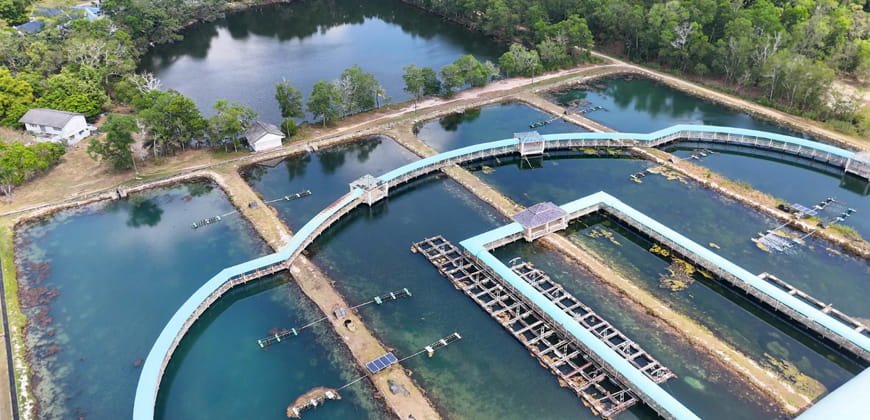
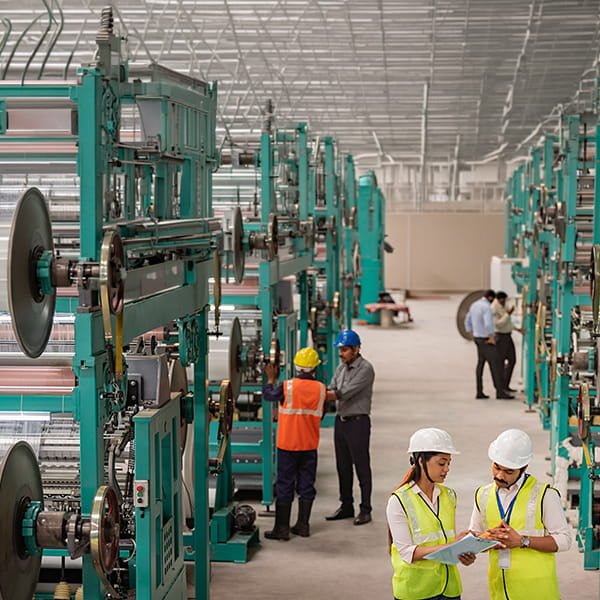
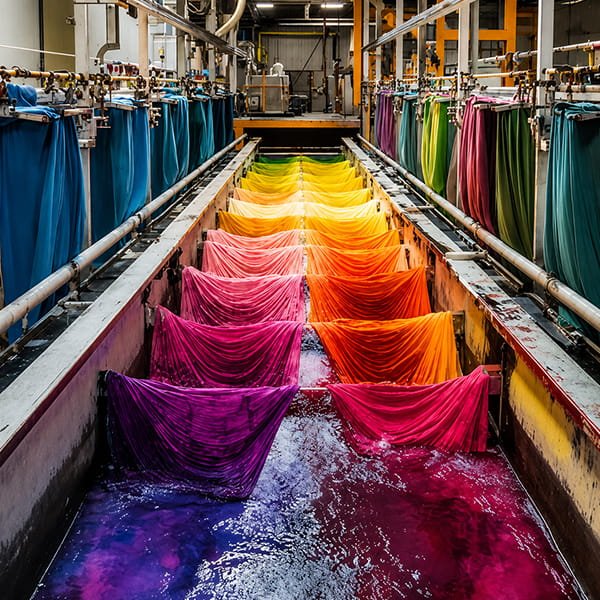

Turn Textile Wastewater into a Reusable Resource.